
Victoria's 1 March 2027 gas hot water rule explained

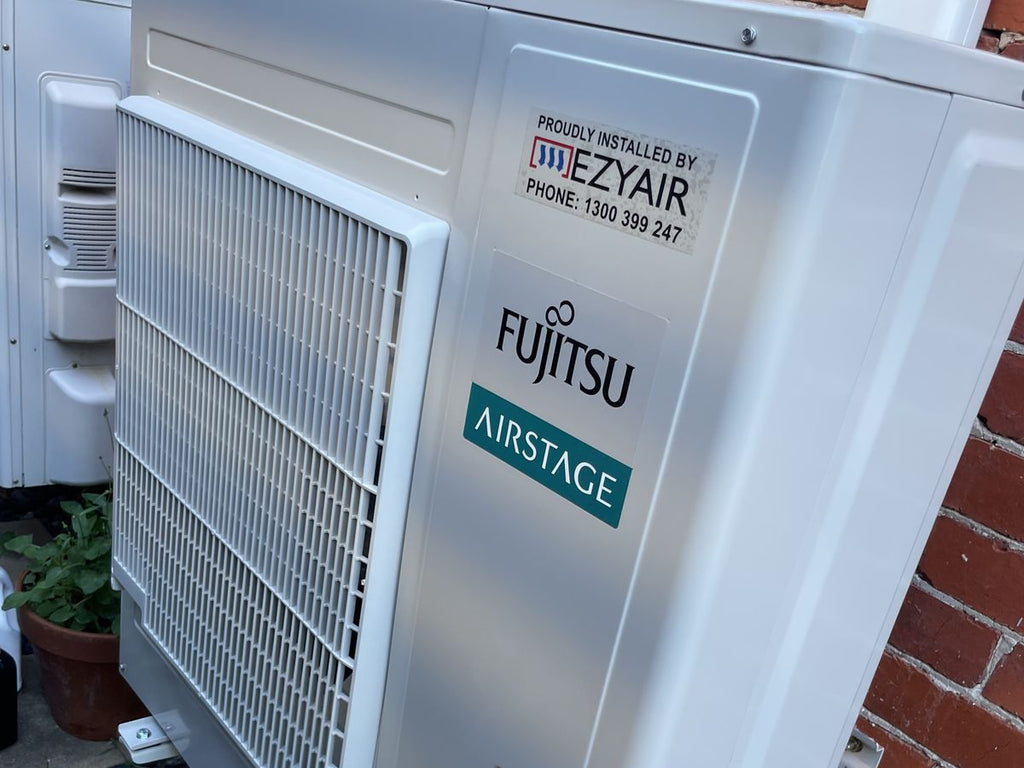
Victoria is introducing new building electrification regulations and minimum energy efficiency standards for rental homes. The changes will be phased in over 4 years, beginning from 1 January 2027, and one of the most talked about dates is 1 March 2027, when new rules for gas hot water take effect.
This article summarises what the Victorian Government's Energy website says about the changes, who they apply to, and why many households are also considering replacing gas heating with reverse cycle air conditioning.
The key dates at a glance
- From 1 January 2027: all new homes and commercial buildings must be built all-electric, including commercial kitchens.
- From 1 March 2027: if an existing owner-occupier's gas hot water appliance breaks and cannot be repaired, it must be replaced with an electric alternative.
- From 1 March 2027: new appliance and efficiency requirements begin for rental properties (see below).
- From 1 July 2027: draughtproofing requirements for rental properties at the start of a new lease.
- By 1 July 2030: efficient electric cooling must be installed in the living area of all rental properties.
New homes: all-electric from 1 January 2027
From January 2027, all new homes and commercial buildings must be built all-electric. This does not apply to industrial or agricultural buildings, or to existing commercial buildings.
Existing owner-occupiers: the 1 March 2027 hot water rule
For people who own and live in their home, the rule is narrower than many assume. From 1 March 2027, if a gas hot water appliance breaks and cannot be repaired, it must be replaced with an electric alternative.
Importantly:
- there is no requirement to replace a working gas hot water system
- there is no requirement to upgrade gas space heating or stovetop gas cooking to electric, although the government encourages homeowners to make this change to lower their energy bills.
The government lists Victorian Energy Upgrades discounts and the Solar Homes hot water rebate (if eligible) as support available to owner-occupiers.
What the rules mean for rental properties
Rental providers have additional obligations. According to the Victorian Government:
- Appliance upgrades: from 1 March 2027, when a hot water or heating appliance breaks and cannot be repaired, it must be replaced with a heat pump water heater or an efficient electric reverse cycle air conditioner in the main living area.
- Cooling and showerheads: from 1 March 2027, at the start of a new lease, rental homes must include energy-efficient cooling in the living area (if evaporative cooling is already installed, it meets the standard) and 4-star showerheads.
- Insulation: from 1 March 2027, at the start of a new lease, ceiling spaces without insulation must be upgraded to an R5.0 rating, installed by an accredited professional.
- Draughtproofing: from 1 July 2027, at the start of a new lease, rental properties must have draughtproofing on external doors, windows and wall vents.
- Cooling in all rentals: by 1 July 2030, efficient electric cooling must be installed in the living area of all rental properties, regardless of lease status.
There is no requirement for rental providers to upgrade stovetop gas cooking to electric.
Are there exemptions?
Yes. The government states that there is a range of exemptions for situations where electrification or compliance with the standards is impractical or costly. The source page does not list them in detail, so check the Energy Victoria page and the linked fact sheets for your situation.
Hot water: who to talk to
EZYAIR specialises in reverse cycle heating and cooling, not hot water. If your gas hot water system is ageing, speak with a licensed plumber or hot water specialist about electric options such as a heat pump water heater. The government estimates that replacing gas hot water with electric saves around $400 a year.
Going electric: replacing gas heating with reverse cycle
While gas space heating does not have to be replaced, many households thinking about hot water are also reviewing their heating. The government notes that existing all-electric homes save approximately $1,900 a year, or $2,230 with solar.
Reverse cycle air conditioning heats and cools from one system, and is the efficient electric alternative the government names for rental heating replacements. Depending on your home, options include:
- Single head split systems for a main living area.
- Multi-split systems to heat and cool several rooms from one outdoor unit.
- Bulkhead installations for a discreet finish where a wall unit is not ideal.
- Reverse cycle ducted systems up to 25kW for whole-of-home heating and cooling, a common replacement for ducted gas heating.
Once installed, regular servicing and maintenance helps your system keep running efficiently.
Victorian Energy Upgrades discounts
The government's page lists Victorian Energy Upgrades discounts for heating and cooling. It states that households can claim a discount of up to $1,610 when they install or replace an existing gas space heater with an efficient reverse cycle air conditioner, and up to $5,530 when removing and replacing an existing ducted gas heater with an efficient reverse cycle air conditioner. The government describes the associated operating cost savings as indicative only.
EZYAIR is a Victorian Energy Upgrades accredited provider (A2261). Eligibility depends on your existing system and the system you install, so ask us whether your upgrade qualifies.
Frequently asked questions
Do I have to replace my working gas hot water system on 1 March 2027?
No. For existing owner-occupiers, the rule applies when a gas hot water appliance breaks and cannot be repaired. At that point it must be replaced with an electric alternative.
Do I have to remove my gas heating?
No. There is no requirement for owner-occupiers to upgrade gas space heating or stovetop gas cooking to electric, although the government encourages it. For rental properties, a heating appliance that breaks and cannot be repaired must be replaced with an efficient electric reverse cycle air conditioner in the main living area.
Do the rules apply to new homes?
Yes. From January 2027, all new homes and commercial buildings must be built all-electric. Industrial, agricultural and existing commercial buildings are not covered by this requirement.
What changes for rental properties?
From 1 March 2027, broken and unrepairable hot water or heating appliances must be replaced with a heat pump water heater or an efficient reverse cycle air conditioner in the main living area. New leases also bring requirements for efficient cooling, 4-star showerheads and ceiling insulation, with draughtproofing from 1 July 2027.
Are there exemptions?
The government states there is a range of exemptions where electrification or compliance is impractical or costly. Check the official fact sheets for details.
Plan your switch to electric heating
Whether you are planning ahead or replacing ducted gas heating now, our team can recommend the right reverse cycle system for your home. Contact EZYAIR or call 1300 399 247.
Source
- Victorian Government, Energy Victoria, Electric and efficiency standards for buildings (page last updated 5 August 2026)
